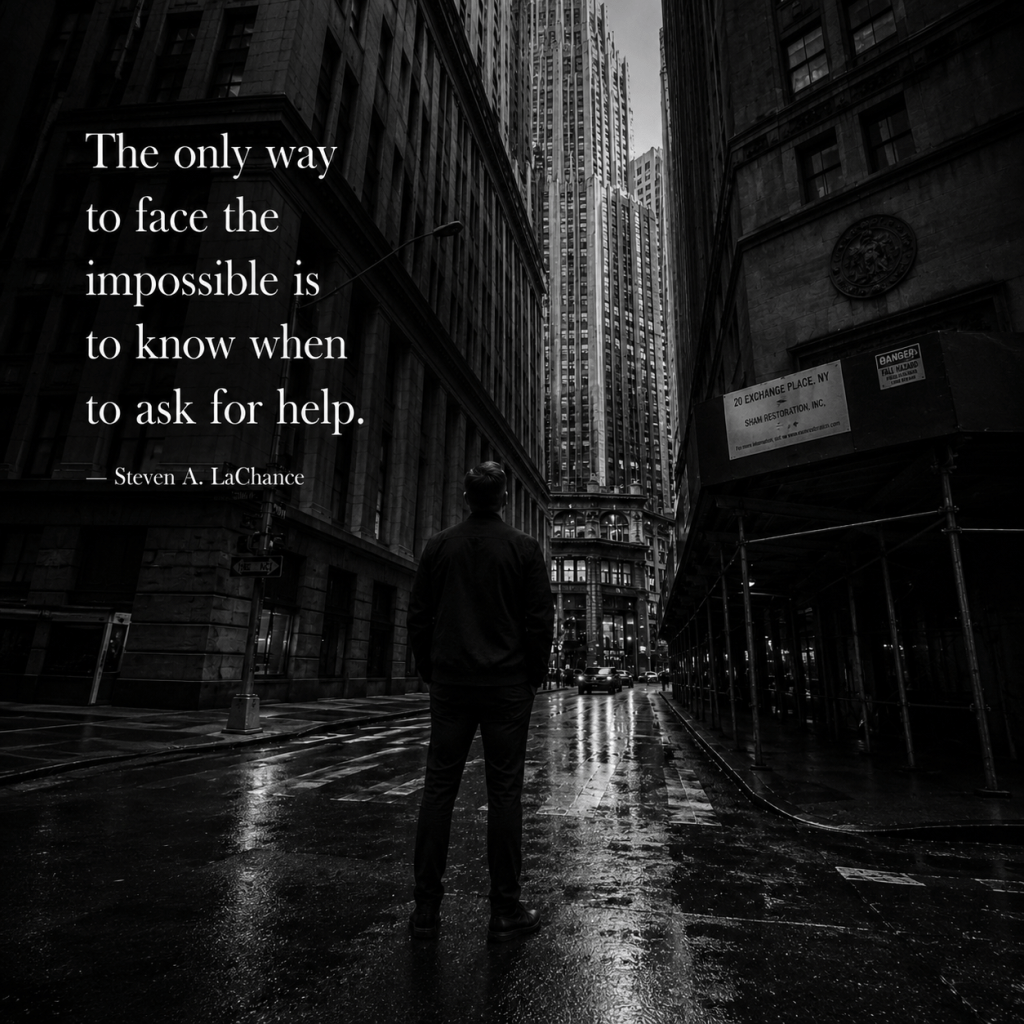
You know what aggravates me? I mean, can I talk openly with you all without someone going off the deep end because they accidentally recognize themselves in what I’m about to say? I hope so because you know me. I’m going to say it anyway, and preferably before my coffee gets cold.
I’m tired of watching parts of the paranormal community drift into performance instead of responsibility. Some people present themselves as doctors with mail order degrees and online ordinations that required little more than a processing fee. Others position themselves as clergy, counselors, trauma experts, demonologists, or scientists without the education, training, or accountability those titles normally require. Then there are those who constantly talk about “scientific investigation” while ignoring the very things science actually depends on: qualifications, methodology, skepticism, repeatability, peer review, and intellectual honesty.
I am not an education snob. Some of the smartest people I have ever met never stepped foot into a university classroom. And if you do not have a degree in a certain area of study, that is okay. Nobody can know everything. What matters is humility.
Over the years I have turned to doctors, scientists, priests, psychologists, electricians, plumbers, contractors, historians, and other professionals when something moved beyond my understanding or qualifications. That is not weakness. That is responsibility. The legitimacy of paranormal research requires many voices and many backgrounds working together honestly.
Instead of pretending to be a doctor, bring one in. Instead of casually dismissing something as electrical, call a licensed electrician. Instead of screaming “demon,” contact actual ordained clergy, preferably within the faith tradition of the client involved. Instead of diagnosing trauma or mental illness, involve qualified mental health professionals. Real investigation should involve collaboration, not ego.
The role of a serious paranormal investigator is not to become every profession in the room. We are coordinators. We are facilitators. We help guide people through confusing, frightening, emotional, and sometimes deeply personal experiences while bringing in qualified voices where needed.
Because real cases are often layered. Sometimes there are environmental issues. Sometimes grief or trauma. Sometimes family conflict, medical concerns, or spiritual beliefs shaping interpretation. Sometimes fraud. And sometimes there are experiences that remain genuinely unexplained. Sometimes multiple things are happening at once.
A serious investigator understands the difference between observation and conclusion. They understand the value of documentation, critical thinking, collaboration, restraint, and ethical responsibility. The paranormal world does not need more self-appointed experts performing certainty for social media. It needs more honest investigators willing to say, “I do not know.” “Let’s bring in someone qualified.” “Let’s rule things out responsibly before making claims.”
Because sometimes the smartest, most ethical, and most professional answer in the room is: “I need someone more qualified than me to look at this.”
 Steven LaChance Blog
Leave a comment