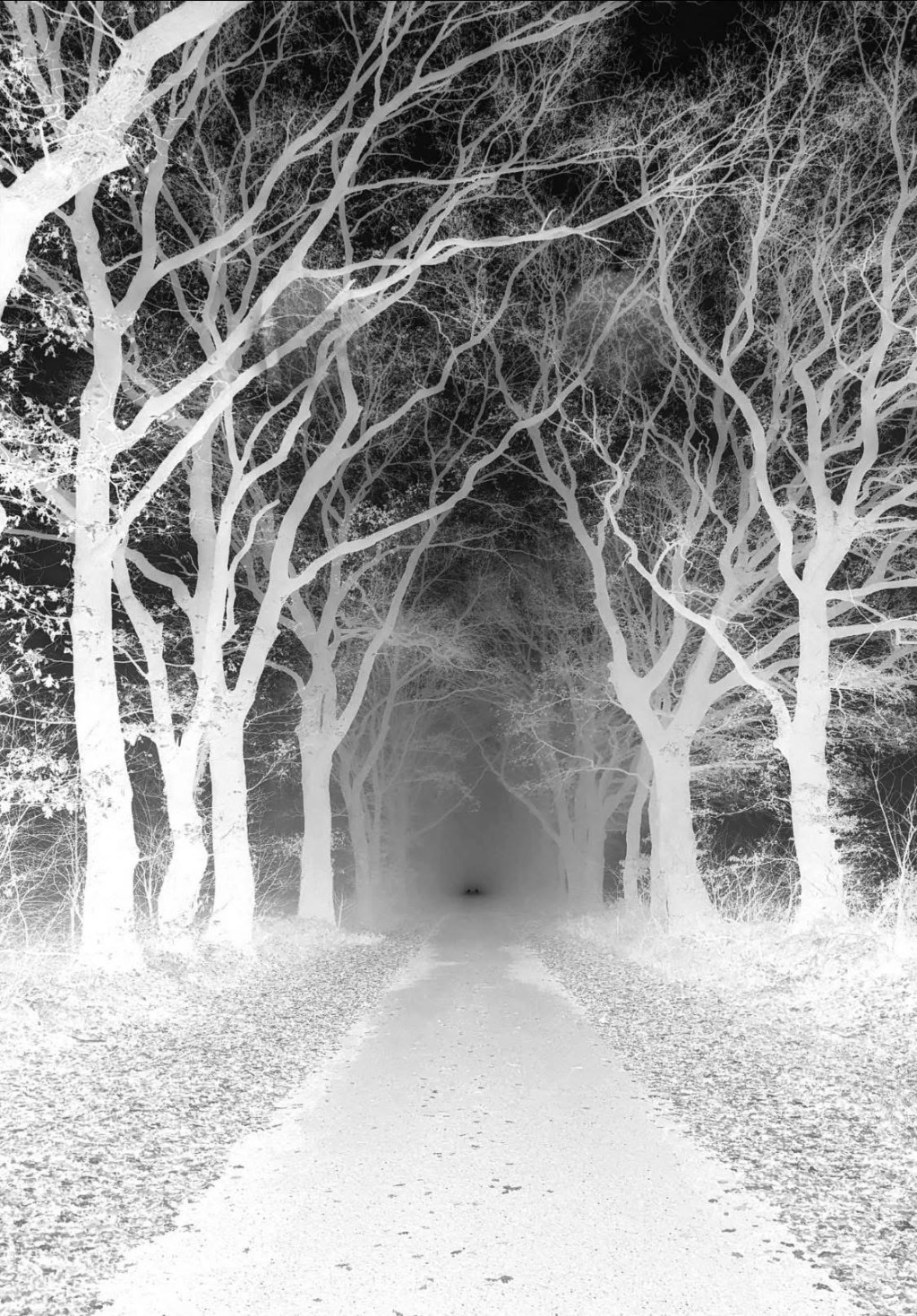
Zombie Road: Between the Living and the Lost
Q: You open Zombie Road by saying this is not rumor or folklore meant to scare. Why was that important to state right away?
Because fear is easy. Anyone can frighten. What interested me was what lingers. Zombie Road carries history, loss, and repetition. The stories did not appear out of nowhere. They grew from accidents, drownings, labor, grief, and memory layered over time. When folklore survives this long, it usually means something real is underneath it.
Q: You spent years walking this place before writing the book. Why wait so long?
Some places do not respond well to impatience. I did not want to rush in, take what I wanted, and leave. I needed to listen. To return again and again. To let the stories contradict each other. To let silence have its role. Over time, patterns emerge. Not answers, but shape. I waited until I could write without forcing meaning or turning experience into spectacle.
Q: The book blends history, folklore, psychology, and personal experience. How did you decide where to draw those lines?
I never wanted to collapse everything into a single explanation. That would have been dishonest. History explains some things. Psychology explains others. Folklore explains how stories survive. Personal experience explains why people return. Zombie Road lives in the overlap. I tried to respect each lens without letting any one of them dominate.
Q: You spend time explaining how memory reshapes stories. Why was that important to include?
Because memory is not a recording device. It edits. It reshapes. It holds onto what carries emotion. Legends are not lies. They are remembered truths. Details fall away. The core remains. When people across decades describe the same unease, the same patterns, the same moments of pause, that deserves attention even if the details differ.
Q: You take care to restore the humanity of people who became legends, like the Widow on the Tracks. Why was that essential for you?
Because these were real people. They lived ordinary lives. They had routines, relationships, losses. Time turns them into shadows meant to frighten, but fear without empathy is empty. When you remember the person behind the legend, the story changes. It becomes sorrow instead of spectacle. That mattered to me.
Q: Do you believe Zombie Road is haunted?
I believe people have real experiences there. I believe places can hold onto memory, grief, and emotional residue. Whether someone calls that haunting, psychology, environment, or something else depends on how they understand the world. The book is not about telling readers what to believe. It is about showing them what persists.
Q: You write that Zombie Road changed you. In what way?
It taught me patience and humility. It taught me that not every question needs an answer, and not every experience needs an explanation. Some places are meant to be witnessed, not solved. Walking that road over the years taught me how to listen without demanding.
Q: What do you hope readers take with them after finishing the book?
Respect. For history. For place. For people whose experiences are often dismissed or mocked. You do not need to believe in ghosts to understand Zombie Road. You only need to accept that memory leaves marks, and that some landscapes refuse to forget.

 Steven LaChance Blog
Leave a comment