
The bestselling author on fire, survival, and the fierce humanity behind his most daring novel yet
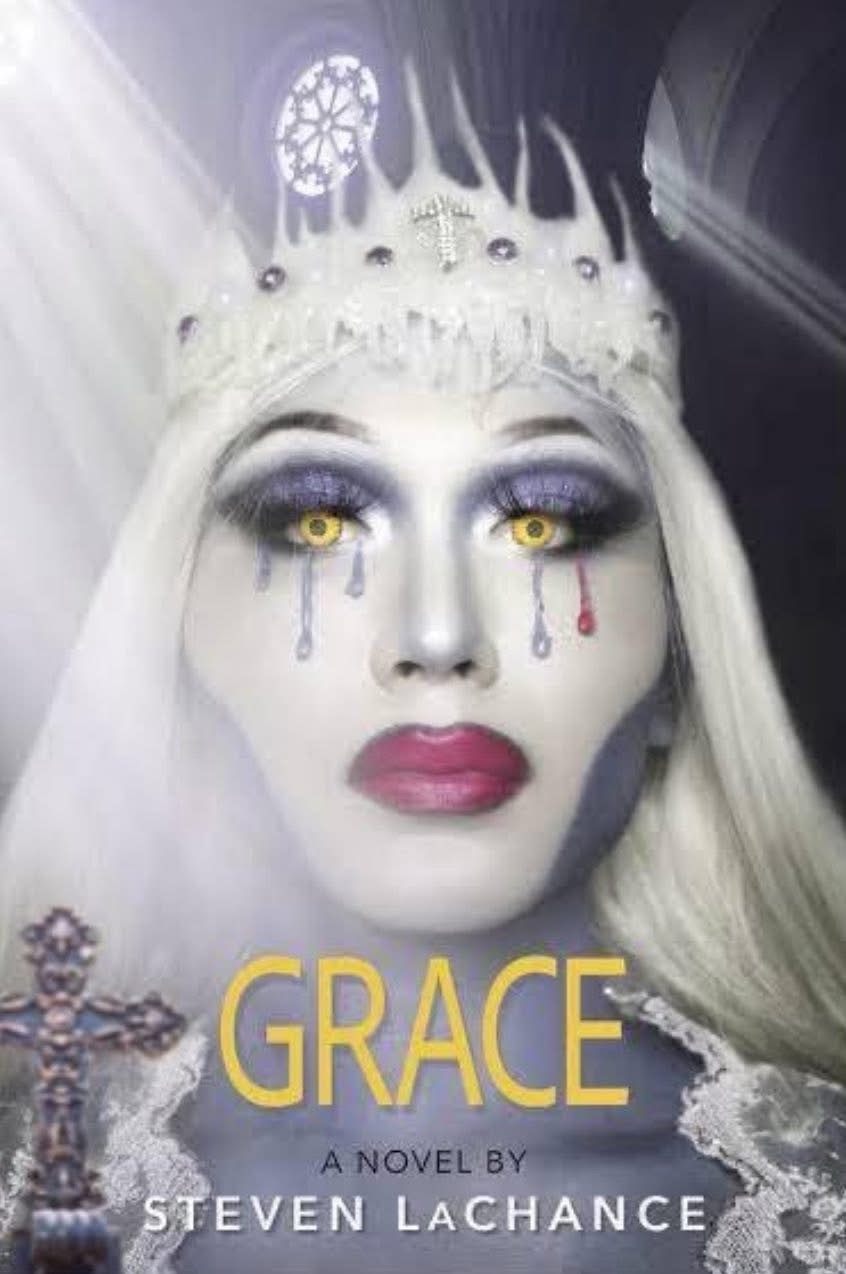
When bestselling author Steven LaChance began writing Grace, he was not setting out to craft another horror story. What emerged instead was something deeper — a literary horror novel about love, survival, and identity born from the ashes of a burning world. In this intimate conversation, LaChance reflects on the origins of Grace, the drag queens who inspired her, and the power of horror to expose the truth of what it means to be human.
Interviewer: Grace feels both intimate and apocalyptic, a story about personal redemption set against the collapse of a world. When you first started writing it, what was the emotional spark? What moment or idea began it all?
Steven LaChance: It started during the LA riots in 1992. I could not sleep. I turned on the television and watched the looting and the fires spread. LA was literally burning. That night changed me. I remember the glow of the fires reflected in the news anchor’s eyes, the chaos, the noise, the sense that the world was unraveling. It was not just about Los Angeles. It was about what was happening inside of us as a society. The anger, the division, the pain. Grace began as a question: what happens when the fire never stops, when it becomes part of who we are? The story grew from that image, a world on fire and one person trying to find light inside it.
Interviewer: Grace feels like more than a character. She is a symbol, almost a spirit of resistance. Who is she to you on a personal level? Was she born from someone real, or did she emerge entirely from the chaos you were describing?
Steven LaChance: She is born from drag queens I have admired through the years. There is no one stronger on this earth than a drag queen. They have to be strong to survive, but within that strength there is such tenderness and kindness. Grace is a reflection of that balance, fierce and unbreakable yet deeply human. She is a combination of so many queens I have known. Vivian in the book comes from that same world too. And then there is Shot Boy, who is based on someone I knew long ago. I think as authors we always pull from what we know, from the people who leave a mark on us. So Grace carries a lot of St. Louis drag energy and a little bit of Berlin too. Those girls know who they are.
Interviewer: Horror seems like an unexpected home for a story about love, survival, and identity, yet it fits Grace perfectly. Why did you choose horror as the language to tell her story?
Steven LaChance: Horror has always been honest to me. It does not lie about how cruel the world can be. It exposes it. For me, Grace is not horror for shock. It is horror for truth. We live in a world where people are targeted for who they are, where entire communities live under threat. That is horror. I just stripped away the polite surface and showed it for what it really is. The monsters in Grace are human. The supernatural elements are only reflections of what we do to one another.
Interviewer: There is also something deeply emotional in this book, like it is not just about fear but about survival, love, and being seen. How much of your own life made its way into Grace?
Steven LaChance: A lot. More than people might think. I have lived through rejection, through having to stand tall in places that did not want me there. I know what it feels like to be the outsider in your own story. Grace came from that part of me that refuses to stop believing in light, even when the world tries to turn it off. Writing her was therapy, rebellion, and confession all at once. She is fiction, yes, but she is also a mirror.
Interviewer: What do you want readers to feel when they close the last page of Grace?
Steven LaChance: I want them to feel something raw and human, the kind of ache that comes from realizing beauty and pain can exist in the same breath. I want them to carry Grace with them for a while. Maybe she will make them think differently about the people they pass on the street, or about the quiet strength it takes just to keep going. I hope they close the book and feel both broken and healed at the same time.
Interviewer: The book uses drag and performance in such powerful ways, not just as art but as survival, identity, and defiance. What did that symbolism mean to you as you wrote it?
Steven LaChance: Drag has always fascinated me because it is transformation with purpose. It is theater, rebellion, and truth all wrapped into one. In Grace, it becomes sacred, the act of reclaiming self when the world tries to strip it away. The makeup, the costume, the stage, they are not disguises. They are armor. They are a kind of resurrection. Every time Grace steps into the light, she is saying, “You did not destroy me.” That is what drag really is, living art that says, I am still here.
Interviewer: What did Grace teach you, as a writer but also as a person?
Steven LaChance: She reminded me why I write in the first place. To reach people. To heal something in myself and hopefully in others. Grace taught me that strength does not mean you never fall apart. It means you learn to rise differently every time. She made me softer in some ways, more defiant in others. Writing her was a mirror I did not expect to face, but I am glad I did.
About the Author
Steven LaChance is the bestselling author of The Uninvited, Confrontation with Evil, and the Modern Monsters trilogy (Glow, Gorilla, and Grace). His work bridges horror, humanity, and hope, blending real emotion with haunting realism. Grace is his most personal and ambitious novel yet — a story that burns, heals, and refuses to look away.

 Steven LaChance Blog
Leave a comment