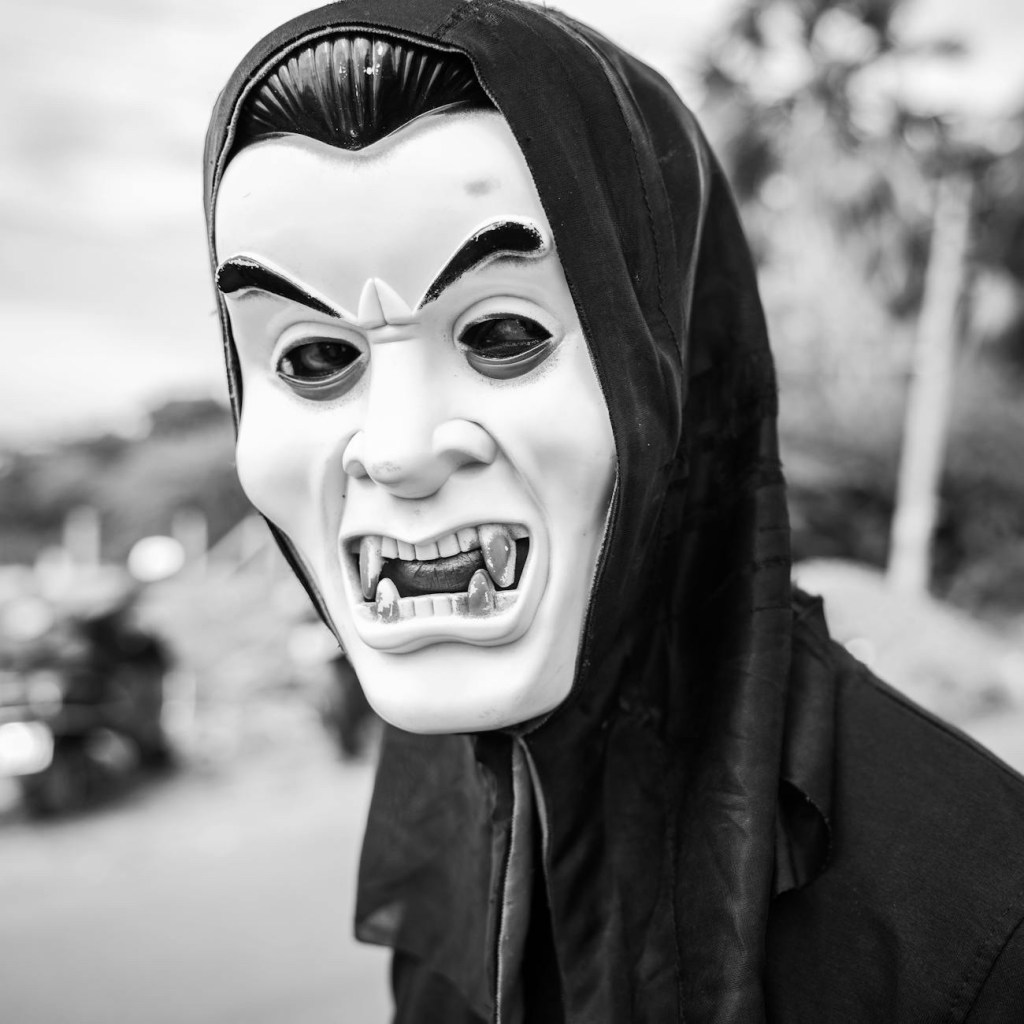
Dracula has always walked with shadows, but some of those shadows are cultural rather than supernatural. From the moment Bram Stoker penned his tale, whispers have followed that the Count himself is a coded figure of forbidden desire. Stoker, a man who lived in Victorian England at a time when homosexuality was criminalized, poured into Dracula the fear and fascination of passion that lived outside society’s rules. The novel is drenched in longing that cannot be spoken aloud, in intimacy hidden behind the language of monstrosity.
For many queer readers, Dracula has become something more than a villain. He is a symbol of the outsider who carries both danger and allure, the figure who breaks the rigid moral boundaries of his time. He touches men and women alike, he transgresses the safe borders of sexuality, and he does so with a boldness that both terrifies and captivates. The act of the vampire’s bite has long been read as a metaphor for forbidden intimacy, a secret exchange of desire cloaked as horror.
To call Dracula a gay icon is to recognize the way horror has often held space for the marginalized. When society paints your love as monstrous, you may find your reflection in the monsters themselves. Dracula becomes not only a predator but a mirror for anyone who has been told their desire is unnatural. His immortality, his elegance, his refusal to conform, all of these can be seen as a dark kind of empowerment, a refusal to vanish in the face of repression.
Of course, Dracula is also a warning, and that tension makes him so enduring. He is both liberation and danger, both allure and destruction. But that is the point, he is complicated, layered, and never reducible to a single interpretation. To see him as a gay icon is to acknowledge that monsters are never just monsters. They are also masks, metaphors, and sometimes, unlikely mirrors for the truths we are not yet allowed to speak.
 Steven LaChance Blog
Leave a comment