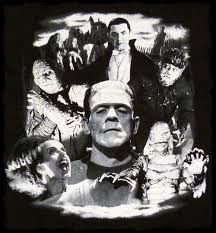
We have always told stories to understand fear. Around ancient fires, in the flickering torchlight of castles, and later in the dim glow of movie theaters, humanity shaped its deepest anxieties into creatures. We gave our fears teeth and claws, wings and fangs, scales and shadows. We called them monsters, but really, they were always mirrors.
Frankenstein’s creature was never just a reanimated corpse. He was a warning about ambition without empathy, a reflection of a society rushing forward with science while forgetting compassion. The Wolfman was not merely a cursed man howling at the moon. He embodied the terror of losing control, of the animal instincts buried beneath polite civilization. Dracula was more than an elegant vampire stalking foggy streets. He was a reflection of disease and desire, born of Victorian fears of sexuality, contagion, and the foreign unknown.
Each of these legends sprang from the fears of their time, which is why they endure. They are not just gothic figures, but cultural markers, telling us more about ourselves than about the creatures they portray.
Yet if you step back and look at the world today, something far more unsettling becomes clear. The monsters we once locked safely away in books and films have been replaced by something real. They have taken off their capes and claws and now walk among us. The most terrifying monsters are no longer imagined. They are men.
History is filled with them. Men who kill without remorse, who manipulate entire populations, who commit horrors so vast they make fiction feel quaint. Their faces are not those of legends. They are familiar. They are human. And that is what makes them truly terrifying.
This is the heart of my Modern Monsters series. These books are not about imaginary villains but about the very real creatures that haunt our streets, our headlines, and our history. Monsters born not of legend but of hate, cruelty, and fear.
Now is the time for monsters.
 Steven LaChance Blog
Leave a comment