Because of my last name, LaChance, people usually assume I have French roots. And they’re right. My lineage traces back to France and to Quebec, Canada. But that’s only part of the story. On the other side of my family, I’m Irish and Scottish. Like a lot of people in the United States, I’m made up of different places, different histories, all mixed together.
That’s the interesting thing about growing up in the United States. Most of us aren’t just one thing. We’re the children, grandchildren, and great-grandchildren of immigrants. Our families came from all over. Some of us can trace back generations in one place. Others, not so much. Most of us don’t have a single, neat origin story. We have layers.
You might grow up hearing your grandmother’s stories in one language and eating your grandfather’s food from a country you’ve never even visited. That’s normal here. That’s what makes this country what it is. Our diversity isn’t a footnote. It’s the foundation.
But there’s something we don’t talk about nearly enough. The only people truly native to this land are Indigenous. Everyone else came later. Some arrived chasing opportunity. Some came fleeing war, poverty, or persecution. And many were brought here in chains, with no choice at all. No matter how or why we got here, the truth is the same: we came after. Long after Native peoples had already built communities, cultures, and deep connections to this land that go back thousands of years.
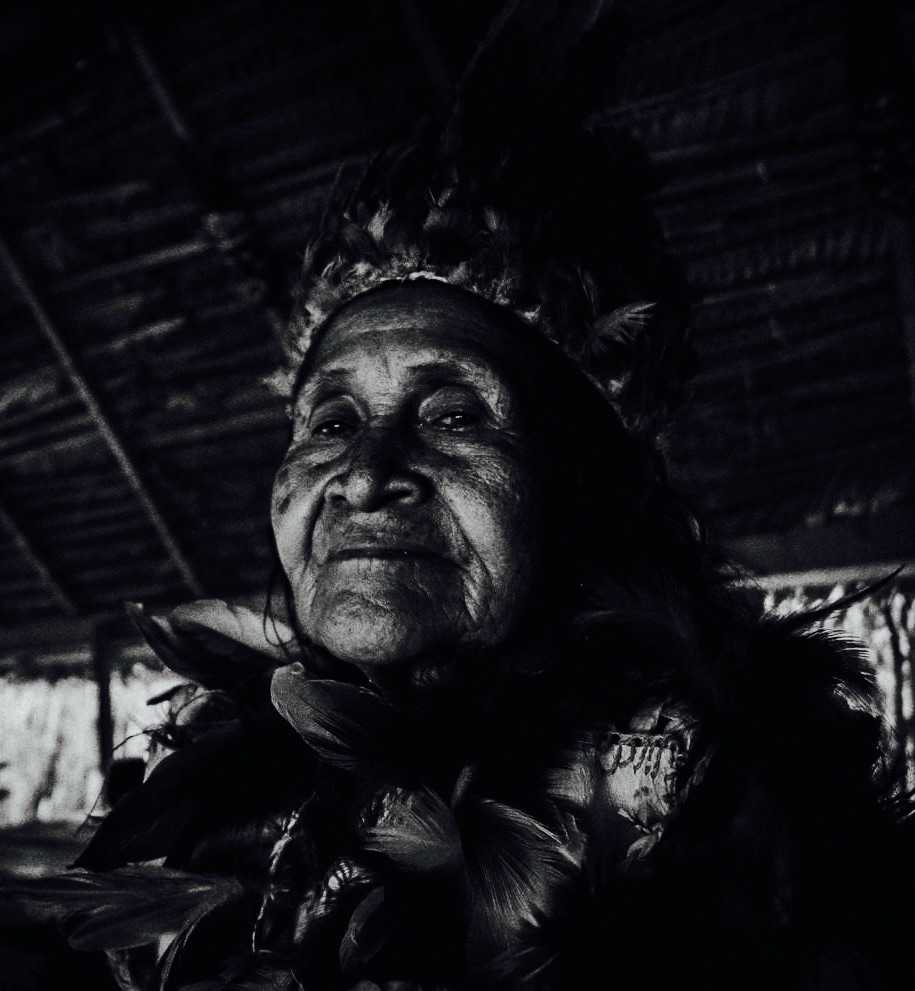
And yet, somehow, we’ve created a culture that questions whether Indigenous people “belong.” That treats them like they’re in the way. But the truth is, they aren’t guests. They aren’t outsiders. And they absolutely are not immigrants. You can’t be an immigrant on a continent where your people have always lived. Borders may shift. Governments may change. But that doesn’t erase thousands of years of history, ceremony, language, and belonging. This is their homeland. It always has been. That’s not up for debate.
So when we talk about who deserves to be here, or who gets to belong, we need to take a hard look at our own stories. We can’t call Indigenous people foreigners in the only home they’ve ever known. And we can’t forget that most of us are only here because someone in our family once made the choice—or had no choice—to come. We are descendants of immigrants. We are guests on Indigenous land. That should humble us.
This land didn’t begin with us. And it doesn’t belong more to one group than another just because of timing. We’re all sharing it now. That comes with responsibility. It means showing respect. It means being grateful. It means listening. Especially to the people who were here first, and still are.
We act like being from the United States is about drawing lines and protecting what’s ours. But the real story of this country is movement. It’s people arriving, adapting, surviving, and blending their stories together—whether they meant to or not. The truth is messy. But it’s also human.
The more honest we are about where we come from, the more clearly we can see what we owe to each other. This country was built on movement, yes—but also on displacement, on survival, on resilience. Indigenous people are not immigrants. They are descendants of this land, not visitors to it. And most of the rest of us are here because someone before us crossed a border, a sea, or a line on a map to find a better life.
So before we decide who belongs, before we point fingers or build walls, we need to remember: none of this land was ours to begin with. We are living on stories that started long before we arrived. The least we can do is listen, learn, and treat each other with the dignity every origin deserves.
 Steven LaChance Blog
Leave a comment