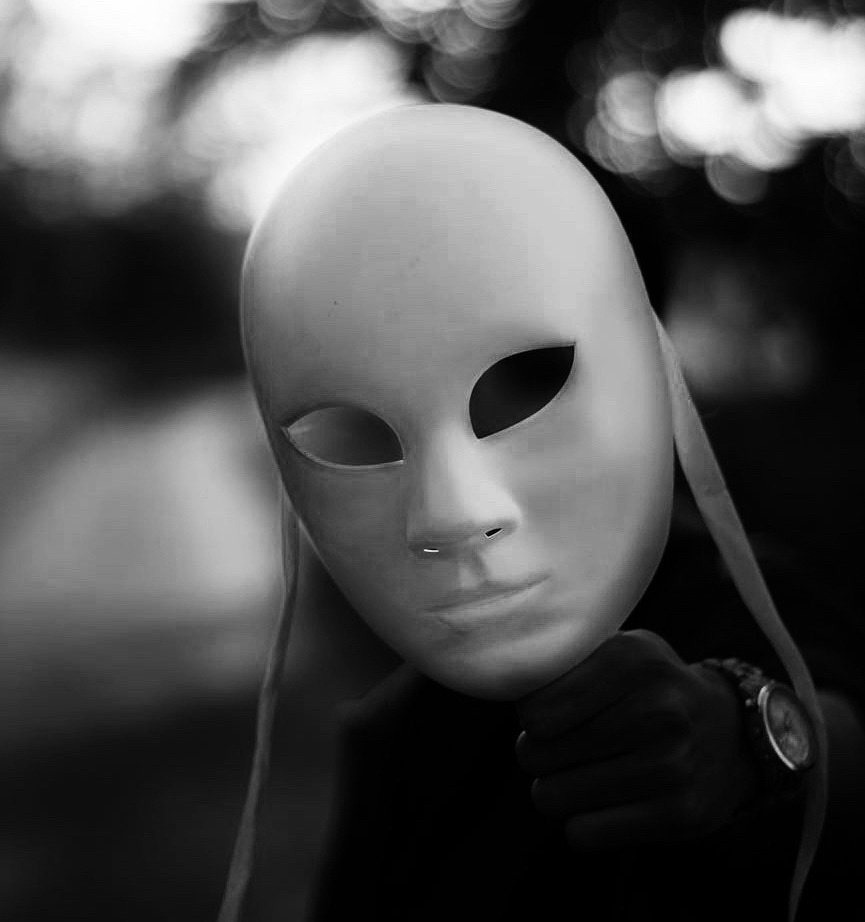
Growing up gay meant learning how to scan a room before you ever opened your mouth. You became fluent in body language before you even understood your own. A wrist held too loosely. A vowel dragged too long. A laugh that felt too bright. You noticed what made people flinch. What made them stare. What made them whisper. You learned to read tone, calibrate your presence, and tuck pieces of yourself away like fragile glass—stored safely behind your ribs.
That doesn’t disappear in adulthood. It just becomes chronic tension—a way of being as normal as breathing. You don’t explicitly ask, Am I safe here? anymore, but that question hums at a subconscious level. Every public place—restaurants, offices, family gatherings—turns into a calculated exercise of reading the room. The stakes are high: the wrong word, the mistimed gesture, or even the echo of too much authenticity might trigger a cascade of consequences.
Miss the cues, and the fallout could be swift. Rejection wasn’t just a momentary sting—it was a recalibration of your very presence. A misstep could mean having your identity questioned or your humanity diminished. Sometimes it was outright hostility: a hostile glance, an unspoken warning, or a door closing on you. At school, it could have been physical harm or relentless isolation. In our early years, survival depended on making sure you never, ever became a threat. You would shrink yourself—carefully, meticulously—so that you might remain unremarkable in the eyes of those who feared difference.
They say we have to unlearn the ways we adopted to survive—to finally be ourselves. But no one warns you how deeply ingrained those survival tactics become. Even after we cast off the label of “child” and step into adulthood, the echoes of those lessons remain. We’re often left with the lasting impression that if we dared show more of ourselves, if we allowed our authentic voices to ring free, the consequences could unravel everything we’ve fought so hard to secure.
So much of it feels profoundly unfair. While others simply become, we were forced to calculate every interaction. While others expressed their truths without fear of repercussion, we edited and muted ourselves. Every unchecked word or unguarded smile risked inviting judgment or, worse, danger. It wasn’t just a lesson in social grace—it was a mandate for self-preservation.
And yet, there is a rebellion in the act of unshrinking. Some of us have grown tired of constantly calculating risk. We begin to get louder. Queerer. Bolder. We push back against the conditioned need to temper our presence. We attempt to reclaim the space we were always meant to own—even as the old habits still hum beneath the surface, a reminder of every time we had to protect the essence of who we were.
We don’t just walk into rooms. We scan them.
Because once you’ve learned that a misstep can cost you safety, acceptance, and even your sense of worth, it becomes nearly impossible to stop—until we decide that the risk of being fully seen is worth every consequence.
 Steven LaChance Blog
Leave a comment