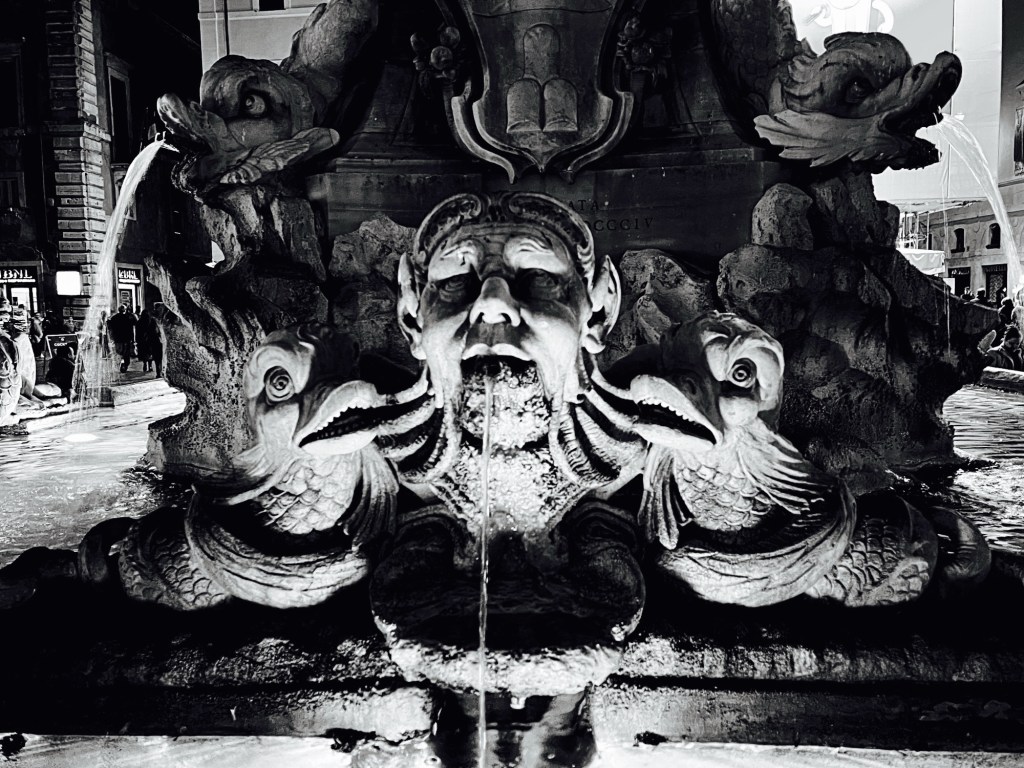
Who would be the Antichrist?
The idea has fueled centuries of speculation—from theological debates to conspiracy theories to vicious political accusations. Rooted in Christian eschatology, the Antichrist is often imagined as a charismatic deceiver, a figure who rises to power, opposes Christ, and ushers in an era of unspeakable chaos. Yet in a world that has already witnessed tyrants, manipulators, and false prophets, one must wonder: who—or what—truly fits this monstrous role?
Christian doctrine offers no single, definitive portrait. The Book of Revelation, 2 Thessalonians, and 1 John all hint at the figure, but interpretations vary wildly. Some envision a future world leader who deceives the masses and sets the stage for the end of days; others see the Antichrist as a recurring, nefarious archetype that has surfaced time and again. History is replete with candidates—figures like Nero, Napoleon, and Hitler have all been accused of embodying this dark spirit, as have certain popes and modern political or corporate titans. Each wielded power, commanded near-religious devotion, and led their followers into ruin, echoing the hallmarks of the biblical deceiver.
Yet what if the Antichrist is not confined to one person, but is instead a corrupt force—an insidious system that disguises itself as righteous while preying on the weak? Consider institutions that promise salvation yet demand blind obedience, ideologies that claim to offer justice but instead breed division and suffering. A religious leader who preaches love while inciting hate, a politician who champions morality while fuelling strife, a corporation that dangles a utopian future even as it devastates the present—each of these could be seen as a manifestation of that monstrous, ever-present evil.
And then there’s the most chilling possibility: what if the true Antichrist is not external at all, but the dark, beastly potential lurking within us all? If Christ embodies love, selflessness, and spiritual enlightenment, then the Antichrist might well be the hideous shadow of human nature—greed, cruelty, and an insatiable thirst for power. Every time we choose fear over compassion, deception over truth, or destruction over creation, we give life to that inner monster. The apocalypse, then, is not some distant, inevitable event; it is the living, breathing nightmare that unfolds with each moral compromise we make.
In the end, who—or what—is the Antichrist? Is it a future tyrant, a corrupt system, or the very darkness within our souls? Perhaps it is all of these, or maybe it is a force we have already allowed to thrive in our midst. The true terror lies not in the identification of a single demonic figure, but in the realization that this monstrous presence is real, lurking in every shadow, in every corrupt institution, and even in our own hearts. Recognize it, and you may yet avert the horror; ignore it, and you risk inviting an apocalypse that is as relentless and inescapable as the beast that it is.
Ultimately, the antidote to this creeping darkness is not found in fear or fanaticism, but in the transformative power of genuine compassion and kindness. By loving our fellow man instead of harming one another, by offering a helping hand to those in need rather than wielding religion as a tool for judgment and hate, we can begin to dismantle the very foundations of the Antichrist’s domain. It is in our daily acts of empathy and support that we forge a path away from the abyss—a path defined by hope, unity, and a steadfast commitment to the betterment of humanity.
 Steven LaChance Blog
Leave a comment