I recently read something that kept echoing in my mind—a reminder that now is the time for artists of all kinds to step up and create. Art is protest, a force that has shaped history and continues to challenge the status quo. Over the years, artists have transformed their work into powerful statements against injustice.
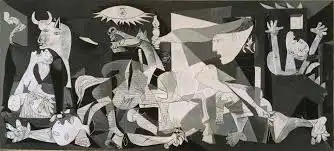
Take Picasso’s Guernica, for example. This iconic painting, created in response to the bombing during the Spanish Civil War, it still resonates as a harrowing depiction of the tragedies of war and the cruelty of fascism. Diego Rivera’s murals also come to mind; his sweeping canvases celebrated the lives of everyday people while critiquing the social and political order of his time.
I find myself reflecting on some of my favorite artworks and artists. Warhol’s Mao pieces, for instance, aren’t merely images—they’re a bold critique of propaganda and the cult of personality, a message that remains as urgent today as ever.
Keith Haring’s work, with its vibrant energy and unmistakable style, was never just about aesthetics. It was a direct response to the challenges of his era—whether fighting Apartheid, confronting the AIDS epidemic, or battling drug abuse. As an openly gay artist, Haring used his art to illuminate the struggles of the LGBTQ community and advocate for gay rights, refusing to let silence define his narrative.
Then there’s Basquiat, whose raw, unfiltered canvases tackled pressing issues like police brutality, racism, and inequality. Banksy carries that same spirit into today’s urban landscapes, using street art to spotlight political corruption and social unrest. Modern voices like Ai Weiwei continue this tradition, leveraging art as a means to critique authoritarianism and push for human rights reforms in the face of oppressive regimes.
The impulse to protest through art isn’t confined to the visual realm, either. The Dada movement of World War I emerged from deep disillusionment with a world gone mad, using absurdity and satire as weapons against the horrors of conflict. Later, the punk rock scene in the 1970s and ’80s shattered musical norms and questioned cultural authority with a raw, unpolished sound that was as much a rebellion as it was a musical revolution. Even the vibrant world of graffiti and street art continues this legacy, emerging in neighborhoods around the globe as a form of grassroots resistance.
What strikes me most is the enduring battle against forces that seek to silence our voices. There’s a clear pattern: those in power often try to dilute or erase messages that challenge their control—whether through censorship, book bans, or even the outright destruction of art. They label us as “woke” or worse, in an attempt to portray our actions as trivial or outlandish.
Yet rather than shrinking away, we must let these challenges fuel us—to amplify our messages even louder. Art isn’t just decoration; it’s a vital means of engaging with the world, questioning injustice, and inspiring change. And that’s why, no matter the era, the artistic voice remains one of the most potent tools for societal transformation.
 Steven LaChance Blog
Leave a comment