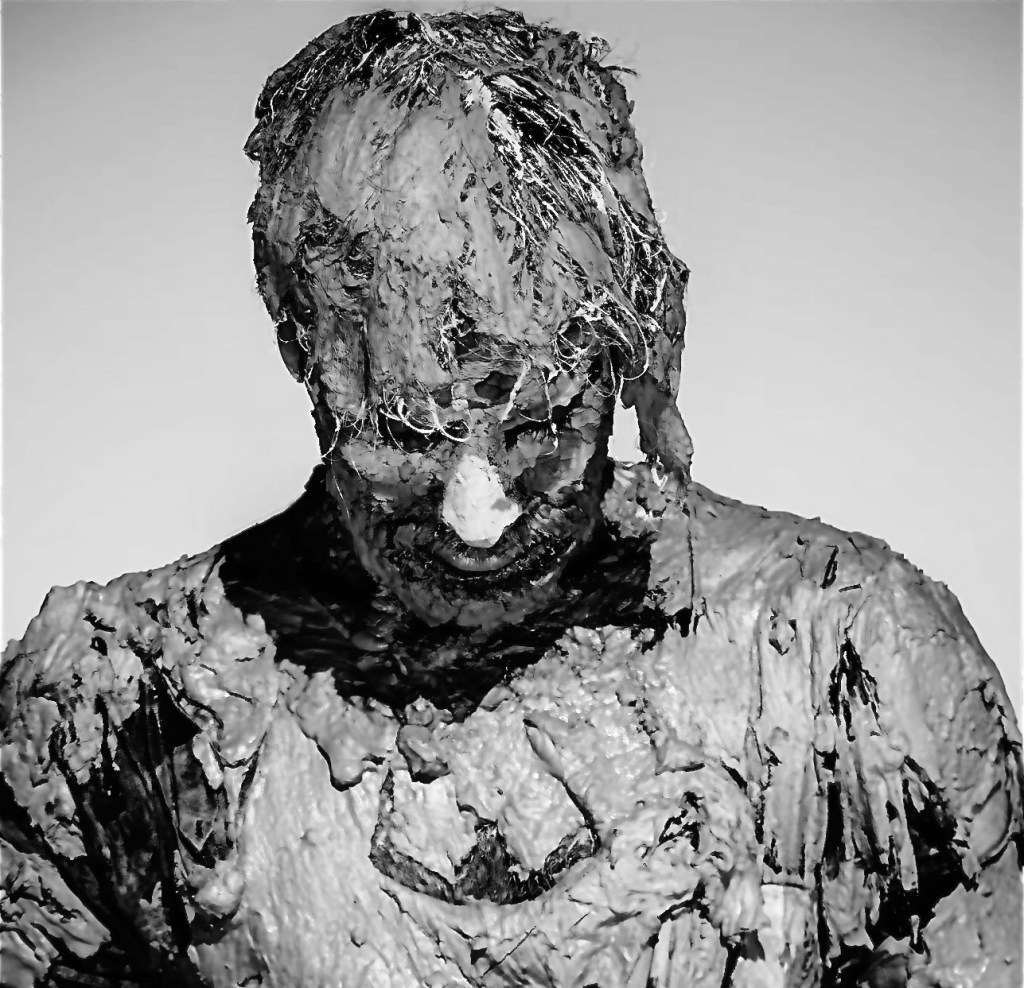
-Steven LaChance
Wes Craven once said, “Horror films don’t create fear. They release it.” That’s because fear isn’t something lurking in the shadows—it’s already inside us, waiting for the right moment to claw its way out. We like to think monsters are external, that they come from the outside world to destroy us. But the real horror? The real nightmare? It’s the monster we carry within.
Nietzsche warned us about this in Beyond Good and Evil: “He who fights with monsters should look to it that he himself does not become a monster.” It’s an old question, one that has haunted humanity since the first flickering flames of firelight cast shadows on the cave walls. If we battle darkness for too long, do we risk becoming the very thing we fear?
Look at Victor Frankenstein. He set out to create life, to push the boundaries of human understanding, but his creation—the so-called “monster”—wasn’t the real horror. The true monster was Frankenstein himself, a man so consumed by his own ambitions and fears that he abandoned his creation, leaving it to suffer in a world that rejected it. “You are my creator, but I am your master; obey!” the creature declares, reversing the roles. The hunted becomes the hunter. The victim becomes the villain.
This is the cycle. The never-ending war between man and monster. But what happens when we stop seeing them as two separate things? What if the monster is simply another version of ourselves, twisted by pain, rage, and regret? What if, instead of trying to destroy it, we learned to face it, to understand it, even to tame it?
The world is filled with people who have let their monsters win. You see them every day—people consumed by bitterness, by hate, by vengeance. They let their wounds fester until they become something unrecognizable. They become the very thing they feared. But there’s another path. The hardest one. The one that demands we stand in front of the mirror and truly see what’s staring back at us.
Because the real question isn’t just about fighting monsters. It’s about what happens if we let them take control. Will they consume us, turn us into something unrecognizable? Or will we find the strength to face them, to tame them, and to create a different ending?
This isn’t just philosophy. It isn’t just horror. This is the world we live in. And now is the time for monsters.
We see them everywhere—on our screens, in our politics, in our streets. Some wear masks, some hide in plain sight, and some whisper in our own minds, waiting for us to break. The battle between man and monster isn’t just a metaphor; it’s happening right now. And that’s what Modern Monsters is about.
My book ‘Glow’ showed us the consequences of what happens when something unnatural takes root inside us. ‘Gorilla’ pushes further, revealing the masks we wear, the performances we put on, and what happens when the act becomes reality. ‘Grace’ turns the mirror back on us, asking if we can truly ever escape the roles we’ve been given, or if the monster was always waiting beneath the surface. And ‘Gabriel’…. well, ‘Gabriel’ will tie it all together.
The world has always been filled with monsters. The question isn’t whether they exist. It’s whether we let them define us. Whether we fight them. Or whether we become them.
 Steven LaChance Blog
Leave a comment