It’s hard to wrap my head around the news that Donald Trump has claimed the Gulf of Mexico as the “Gulf of America.” This isn’t just a casual rebranding; it’s a striking disregard for history and the significance names carry. The name “Mexico” isn’t merely a label; it’s steeped in rich historical context and cultural heritage.
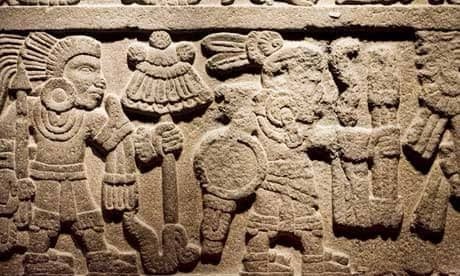
Let’s take a moment to reflect on the roots of this name. It originates from the ancient Mexica civilization, widely known to us as the Aztecs. These people, who thrived long before European colonization, referred to themselves as the Mēxihcah. Their empire was centered around what we now know as Mexico City, a vibrant hub of culture and innovation that existed well before any colonists set foot on the continent. The story doesn’t end there; as early as 1672, French Jesuits used this term to describe the gulf, and in the 18th century, Spanish charts labeled the gulf as “Mexican Cove” or “Mexican Sound.”
Renaming the Gulf of Mexico to the “Gulf of America” is not a benign act. It feels like an attempt to erase the rich tapestry of history woven into the very name itself. Such a move raises serious questions about the motivations behind it. Is it an attempt to assert dominance over the region, or is it simply a misguided impulse for attention? Regardless of the reasoning, this complex issue deserves thoughtful consideration, not impulsive decisions from those in power.
Moreover, this isn’t just about honoring history; it’s about recognizing the rightful ownership of that history. It may not even be within Trump’s jurisdiction to change the name. Legal action has already begun from Mexico, asserting that this renaming is not his prerogative. It’s becoming increasingly clear that such decisions should involve more than just one person’s whim.
In honoring names like “Mexico,” we can acknowledge the deep-rooted cultural and historical significance they convey. They are not merely geographical labels but gateways to understanding our collective past. If anything, decisions made in haste only serve to undermine our appreciation of the histories that have shaped us. So let’s think carefully about the implications of renaming the Gulf of Mexico; it’s about far more than one individual’s opinion—it’s about preserving a rich cultural legacy for future generations.
 Steven LaChance Blog
Leave a comment