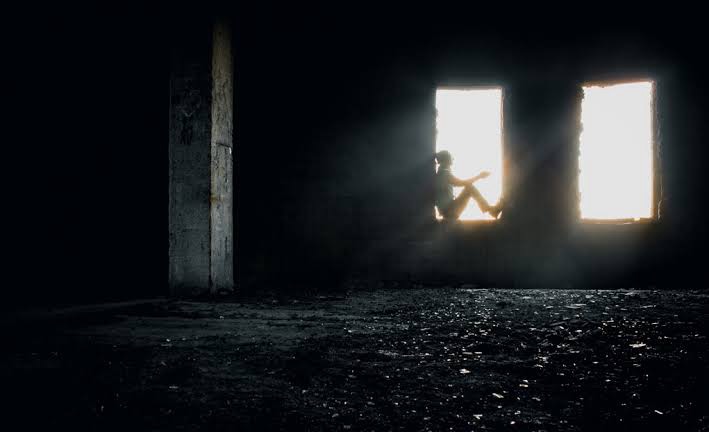
I woke up this morning with Cat Stevens’ “Morning Has Broken” playing on loop in my mind, like a quiet prayer lingering from some half-remembered dream. It was my sister’s favorite song. Today, the lyrics feel heavier, more urgent, as if they’re asking me to wrestle with questions I’ve been avoiding.
“Morning has broken like the first morning Blackbird has spoken like the first bird Praise for the singing, praise for the morning Praise for them springing fresh from the world”
The song, I’ve learned, wasn’t originally Stevens’—it was a hymn written by Eleanor Farjeon in 1931, set to a Scottish melody older still. But Stevens’ version, with its gentle piano and that aching gratitude for dawn’s renewal, feels like a balm these days. Like a reminder that even in brokenness, there’s a chance to begin again. Yet lately, when I think of “praise” and “springing fresh from the world,” my mind turns to the fractures in our own world—the ones we’ve carved with our hands and hearts.
I’ve been struggling with faith. Not the quiet, personal kind that sits in the stillness of a sunrise, but the loud, weaponized kind that dominates headlines. The kind that twists “love thy neighbor” into a conditional slogan, a gatekeeping of grace.
How did we get here? Jesus didn’t tell his followers to love only other Christians. He told them to love everyone—the outcast, the stranger, the ones society deems unworthy. Yet now, in the name of God, we see policies that demonize immigrants, rhetoric that paints entire communities as threats, and laws that codify exclusion. The dissonance is deafening.
“Sweet the rains new fall, sunlit from Heaven Like the first dewfall on the first grass Praise for the sweetness of the wet garden Sprung in completeness where His feet pass”
There’s a bitter irony in how the “sweetness” of faith can curdle into something toxic. I think of the wildfires that ravaged Los Angeles last month, destroying homes and houses of worship alike. In their aftermath, faith leaders spoke of solidarity—of rebuilding communities with justice, not just bricks. But solidarity requires humility, a recognition that no one group holds a monopoly on suffering or salvation. Yet too often, religion becomes a cudgel, a way to justify dehumanizing those labeled “other.” When did we forget that the rain falls on everyone’s garden?
The hate we’re witnessing isn’t new, of course. History is littered with crusades and inquisitions, with holy wars fought over who God loves best. But what chills me is the way this moment feels like a culmination—a perfect storm of political power and religious fervor. Project 2025, a blueprint for consolidating authoritarian control under the guise of “traditional values,” is being championed by those who claim divine mandate. Meanwhile, the same communities that rallied to feed the hungry and house the displaced during crises are now being asked to turn their backs on refugees in the name of border security.
“Mine is the sunlight, mine is the morning Born of the one light, Eden saw play Praise with elation, praise every morning”
Maybe God’s real chosen people aren’t the ones shouting loudest in His name. Maybe they’re the ones quietly organizing mutual aid networks when institutions fail, the ones insisting that dignity isn’t a privilege reserved for the “right” kind of believer. I think of Sister Josephine Garrett, a Black Catholic nun and mental health advocate, who reminds us that God’s grace isn’t confined by our narrow definitions. Or Lamar Hardwick, the “Autism Pastor,” who challenges churches to dismantle hierarchies of worthiness. Their faith isn’t about dominance; it’s about accompaniment.
My sister used to say that hymns like “Morning Has Broken” were prayers without borders. She’d play it on repeat finding solace in its promise of daily renewal. Now, as I watch my children navigate a world where faith is too often a weapon, I wonder what hymns they’ll cling to. Will they find strength in the resilience of those rebuilding after fires and floods? In the coalitions of interfaith leaders demanding climate justice? In the quiet courage of immigrants cleaning up disaster zones even as they’re vilified?
The song ends as it begins, with the blackbird’s call and the breaking dawn. A cycle. A choice. Every morning, we decide whether to repeat the mistakes of the day before or to reach for something better. Today, I’m praying for the latter—for a faith that doesn’t shrink from complexity, that refuses to trade love for power, that remembers Eden’s light belongs to us all.
“God’s recreation of the new day.”
Maybe that’s the miracle worth fighting for.
 Steven LaChance Blog
Leave a comment