Let’s talk about something that might sound like it’s straight out of a dystopian sci-fi novel, but is rapidly becoming our reality: techno-fascism. The term’s been around for a while, but what does it really mean? And how does it tie into the rise of artificial intelligence (AI) in government, with Elon Musk at the center? Strap in, this is going to get wild.
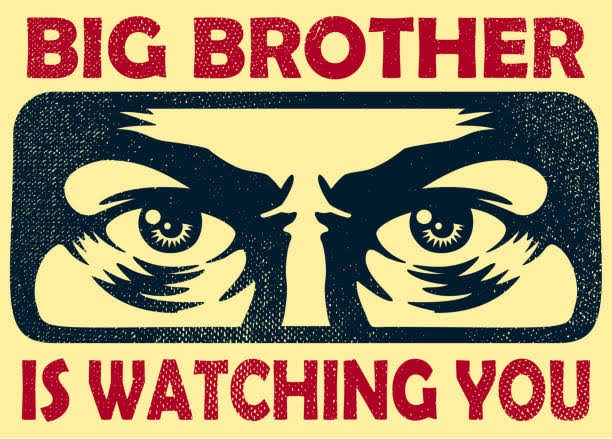
Techno-fascism isn’t about the jackboots or swastikas we’re used to thinking of—it’s more insidious. It’s about using advanced technology to enforce authoritarian control. Imagine surveillance systems tracking your every move, algorithms subtly manipulating you, and AI tools that prioritize efficiency over human rights. In this future, dissent is silenced with data—your face scanned, your online activity tracked, and your actions predicted before you even take them. It’s like something out of 1984, where Big Brother watches you, but now it’s not just a government figure—it’s technology itself.
Historically, fascism thrived on conformity and suppression. Techno-fascism takes that a step further, using technology to enforce conformity on a massive scale. It’s about reshaping society into a cold, machine-driven system, not just controlling people.
Now, let’s talk about Elon Musk. He’s been branded a tech genius, but lately, he’s starting to look more like a tech monster with far too much influence. From Tesla to X, he’s built his empire, but his latest move—working with the U.S. government to integrate AI into federal operations—is raising serious concerns.
Musk’s new project, the Department of Government Efficiency (DOGE), is working on an AI chatbot, GSAi, for the General Services Administration (GSA). The goal? Supposedly to streamline operations. But Musk’s team is feeding sensitive government data into AI to find ways to cut budgets, potentially slashing jobs and programs.
It’s not just about efficiency—it’s about control. By centralizing data and decision-making into AI, Musk is giving the government unprecedented power over its workforce. And AI, while promising, can make mistakes, leak data, or be weaponized to target specific groups.
Musk’s reach goes far beyond one government contract. Around the world, authoritarian regimes are using AI to tighten their grip. In India, for instance, manipulated videos and social media are used to silence dissent, and in Silicon Valley, tech giants like Facebook are accused of spreading disinformation. Musk’s projects fit into this trend, where technology becomes a tool of control.
And let’s not forget how these technologies are sold. They’re marketed as efficient, secure, and convenient. But in the wrong hands, like Musk’s, they’re a nightmare. Facial recognition, for example, can identify 16,000 features on your face in seconds, paving the way for mass surveillance and the erosion of privacy.
So, the question is: can we stop this slide into techno-fascism? It won’t be easy, but we need to raise awareness and hold those in power accountable.
Techno-fascism is a warning. As AI becomes more embedded in our lives, we need to ask: Who benefits from these technologies? Who gets left behind? And what kind of future are we building? Musk’s role in this is a perfect example of the dangers of unchecked power. His initiatives come with serious concerns about privacy, accountability, and control. The question isn’t whether we can stop techno-fascism—it’s whether we’re ready to try.
 Steven LaChance Blog
Leave a comment