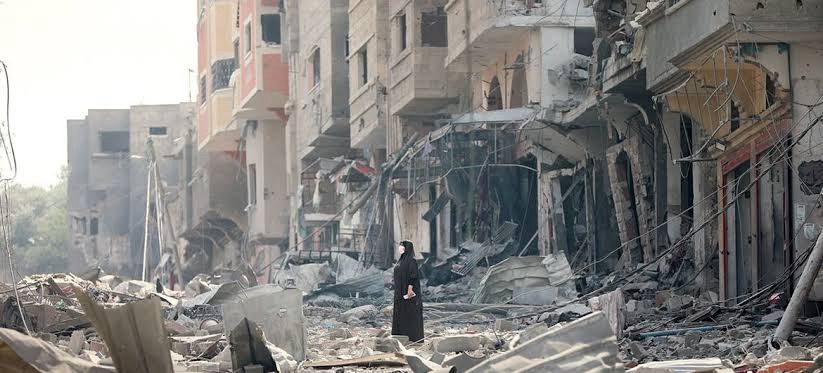
Forcing Palestinians out of Gaza is not just a simple matter; it’s a grave violation of human rights. When people are pushed out of their homes, it’s essentially a form of ethnic cleansing. This concept involves the mass expulsion or killing of members of a specific ethnic or religious group within a society. It’s a harrowing reality that reflects a complete disregard for the lives and dignity of those affected.
In recent times, we’ve heard disturbing remarks from influential figures like former President Donald Trump, suggesting the forced removal of Palestinians from their homes in Gaza. Such statements draw unsettling parallels to past atrocities, reminding us of the darkest chapters in history, including the actions associated with figures like Hitler. It’s a sobering reminder of the potential consequences of such proposals and the urgency of addressing such rhetoric with seriousness and sensitivity.
The act of displacing individuals from their homes doesn’t just disrupt lives; it shatters communities and instills lasting fear and trauma. It’s critical to acknowledge and confront these injustices, regardless of political affiliations. Upholding human rights and fostering peaceful coexistence must be central to any discussion involving such weighty matters.
From a personal standpoint, my experience in Gaza has been eye-opening. Interacting with the residents, sharing meals, and engaging in conversations have shown me that they are no different from you or me. They lead lives filled with love for their families and aspirations for a better future. Reflecting over the past year, my thoughts frequently drift to them, wondering about their well-being and resilience in the face of conflict.
Gaza is undeniably a complex and challenging environment. However, it is crucial to recognize that not all Palestinians align with HAMAS, just as not all U.S. citizens support MAGA. Making this comparison may seem simplistic, but at its core, it holds validity. Each individual deserves the chance to rebuild their homes and lives, free from the shadow of conflict and uncertainty.
The ramifications of forced displacement go beyond the immediate upheaval; they leave deep scars that echo for generations. As we navigate complex political terrain and engage in crucial conversations, embracing empathy, understanding, and a dedication to respecting the rights and dignity of all individuals is paramount. Approaching these issues with compassion and a commitment to inclusivity is essential for building a more harmonious world for everyone, both today and tomorrow.
 Steven LaChance Blog
Leave a comment